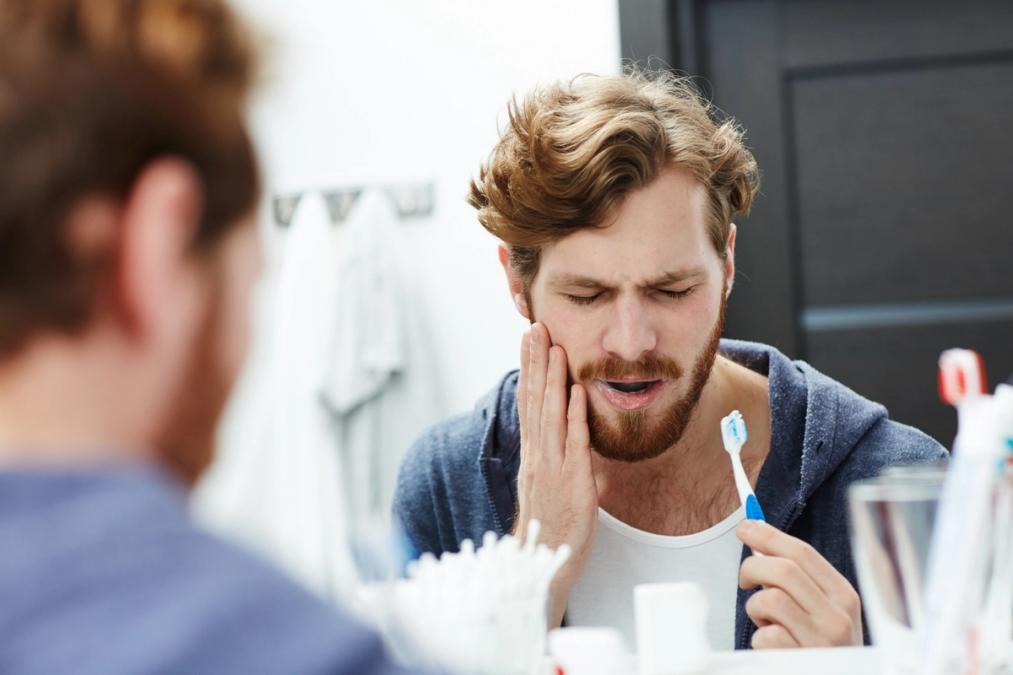
Tooth pain can stop you in your tracks—especially at night or during a busy workday. The good news is there are smart steps you can take at home to reduce discomfort until you’re seen. Here’s a calm, practical guide for those urgent moments and how we help once you arrive.
First: Identify Red Flags
Call us right away if you notice any of the following:
- Facial swelling or a pimple-like bump on the gums
- Fever, swollen lymph nodes, or foul taste
- A tooth that’s broken, loose, or knocked out
- Pain that wakes you from sleep or throbs with each heartbeat
- Injury from sports or an accident
These signs can indicate infection, abscess, or nerve involvement that needs timely care.
Comfort Measures You Can Try Now
- Rinse gently with warm salt water to soothe tissues and flush out debris.
- Use over-the-counter pain relievers as directed for your health profile (avoid aspirin on the gums).
- Cold compress on the cheek for 10–20 minutes to reduce swelling.
- Temporary dental cement (from a pharmacy) can re-seal a lost filling or crown until your visit.
- Avoid extreme temperatures and very sweet foods that can trigger pain.
- Keep the area clean with gentle brushing and flossing to remove trapped food.
What Not To Do
- Do not place aspirin directly on the tooth or gums—it can burn tissue.
- Don’t ignore severe swelling or spreading pain—this can become systemic.
- Avoid using teeth as tools or chewing on the painful side.
Common Toothache Causes
- Deep decay reaching the nerve
- Cracked tooth from biting on something hard or nighttime grinding
- Lost filling or crown exposing sensitive dentin
- Gum infection or periodontal abscess
- Sinus pressure that mimics upper tooth pain
- Eruption issues with wisdom teeth
How We Help In The Office
- Exam & X-rays: We pinpoint the source of pain quickly.
- Desensitizing treatments or medicated dressings: Calm irritated nerves.
- Same-day fillings or CEREC crowns: Repair damage without multiple visits.
- Root canal therapy: When the nerve is infected, this relieves pain and saves the tooth.
- Antibiotics when indicated: If swelling or systemic signs are present.
- Night guard counseling: If cracks and wear suggest bruxism.
Benefits Of Early Care
- Faster pain relief with targeted treatment
- Lower risk of infection spreading
- Better chance of saving the natural tooth
- Reduced cost compared to waiting until damage worsens
FAQs
Why does my tooth hurt more at night? Lying down increases blood flow to the head, which can heighten pressure in inflamed tissues.
If pain goes away, am I fine? Not necessarily. Nerves can temporarily “go quiet” even when infection remains.
Can a cracked tooth heal on its own? No, but a crown can stabilize it and prevent deeper fractures.
Prevention Tips After You’re Out Of Pain
- Keep up with twice-yearly exams to catch problems early.
- Wear a sports mouthguard for contact activities.
- Consider a night guard if you clench, grind, or wake with jaw pain.
- Be cautious with very hard foods like ice, unpopped popcorn kernels, and hard candies.
Your Next Step
Tooth pain rarely improves on its own. Quick, professional care is the surest way to get comfortable and protect your smile.
Need relief fast? Contact Artistic Smiles in Longmont, CO at 303-485-8888 to Call Us Today and we’ll guide you through the next steps—often with same-day solutions.